SCHWARZMAN · RARE GEMSTONES
Find your
gemstone.
Tell us which stone you are looking for. Specify the variety, carat weight, colour and any laboratory requirements.
Explore the collectionFROM THE COLLECTION · № 08
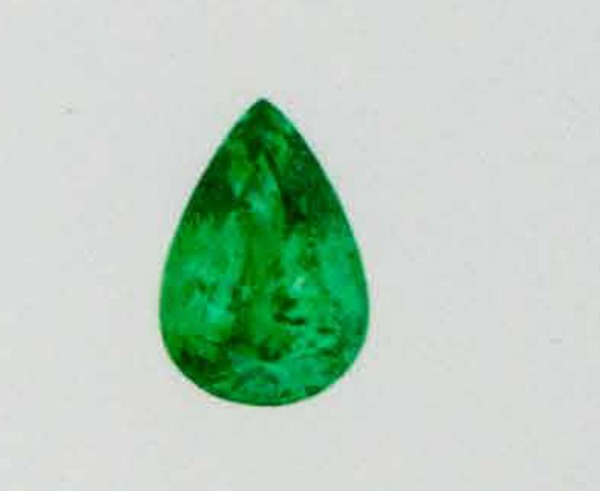
Laboratory report image · not to scale
Discover this stone ↗THE COLLECTION
Selected gemstones.
Colour, carat weight and origin,
with individual laboratory reports.
Geographic origins
GEOGRAPHIC ORIGINS
Geographic origin.
Countries and regions stated in the laboratory reports. Counts cover the full collection, regardless of the active filter; markers do not identify individual mines.
 Map outlines: Natural Earth · public domain ↗
- A · Tanzania6 stones · laboratory reports
- B · Madagascar1 stone · laboratory report
- C · East Africa2 stones · regional attribution only
- D · Mozambique1 stone · GRS
- Origin not stated1 tourmaline · no map marker
Locations are indicative. The dashed marker denotes the East Africa region.
Sourcing to your requirements.
Looking beyond the current selection? Share your requirements for an individual search. Availability, documentation and timing are confirmed for each request.
Prepare a sourcing request ↗- Variety
- Gemstone variety and desired characteristics.
- Size
- Preferred carat-weight range.
- Colour
- Preferred hue and saturation; a reference image may help.
- Documentation
- Preferred laboratory and requirements for origin and treatment findings.
GEMSTONE KNOWLEDGE
History & research
Mahenge spinel: colour and collecting history
Red spinels appeared in historic collections as rubies long before the two minerals were distinguished. The Black Prince’s Ruby is a well-known example. Tanzania’s 2007 discoveries renewed international interest in pink and orangy-red spinels. Mahenge subsequently became an important name in the collecting history of spinel.
Source: GIA ↗ Source: GIA ↗Cobalt spinel: identification and colour
Blue spinel belongs to the same mineral species as the red spinels found in historic collections. Colour, transparency and carat weight contribute to its gemmological interest. GIA notes the limited availability of fine red, pink and blue spinels above five carats. Cobalt identification and colour-change behaviour are separate characteristics that should be documented by a gemmological laboratory.
Source: GIA ↗Tsavorite: an East African gemstone
The modern history of tsavorite is associated with Campbell Bridges’s discovery in Tanzania in 1967 and subsequent discoveries in Kenya in 1970. Tiffany introduced the gemstone to a wider audience in 1974. GIA’s fiftieth-anniversary account records collector stones weighing 31.27, 33.55 and 58.52 ct, illustrating the place of large specimens in tsavorite’s history.
Source: GIA ↗Blue-green tourmaline: description and identification
Tourmaline’s wide colour range once led to confusion with other gemstones. Its name derives from a Sinhalese term associated with mixed gems. Descriptive names such as Lagoon refer to appearance, rather than establishing mineral identification or geographic origin. The laboratory report remains the source for the identification and recorded characteristics of an individual tourmaline.
Source: GIA ↗ Source: GIA ↗Tanzanite: origin and colour
Tanzanite entered the international gem trade after discoveries in northern Tanzania in 1967. Tiffany named it after its country of origin and promoted it in 1968. Blue and violet became the colours most closely associated with the gemstone. Laboratory descriptions also record multicolour specimens, whose colour distribution forms part of their individual documentation.
Source: GIA ↗Paraíba tourmaline: copper and geographic origin
The Paraíba name has its origins in Brazil. Copper-bearing tourmalines are also documented from Mozambique. GIA identifies copper as a contributor to their characteristic colour. Colour terminology and geographic origin describe different aspects of a gemstone and are recorded separately in laboratory reports.
Source: GIA ↗Historical auction records
OUR APPROACH
Clear descriptions.
Documented findings.
Current availability
The collection changes as stones are acquired or sold. Please confirm availability before arranging a viewing.
SCHWARZMAN presents each stone through its individual characteristics and supporting documents. Geographic origin, treatment findings and ownership history are stated separately.
Laboratory documentation
Descriptions of colour, geographic origin and treatment are attributed to the relevant laboratory. Original report wording is retained alongside the catalogue description.
Historical facts
Historical articles and auction records document the history of gemstone varieties and individual sales.
Individual enquiries
Asking prices, additional documentation and viewing arrangements are discussed individually. Collection prices are not displayed on the website.
CONTACT US
Enquire about
a gemstone.
STEP 2 OF 2
Refine your request
All preferences are optional.
This form prepares a draft for copying; it does not send a message.